

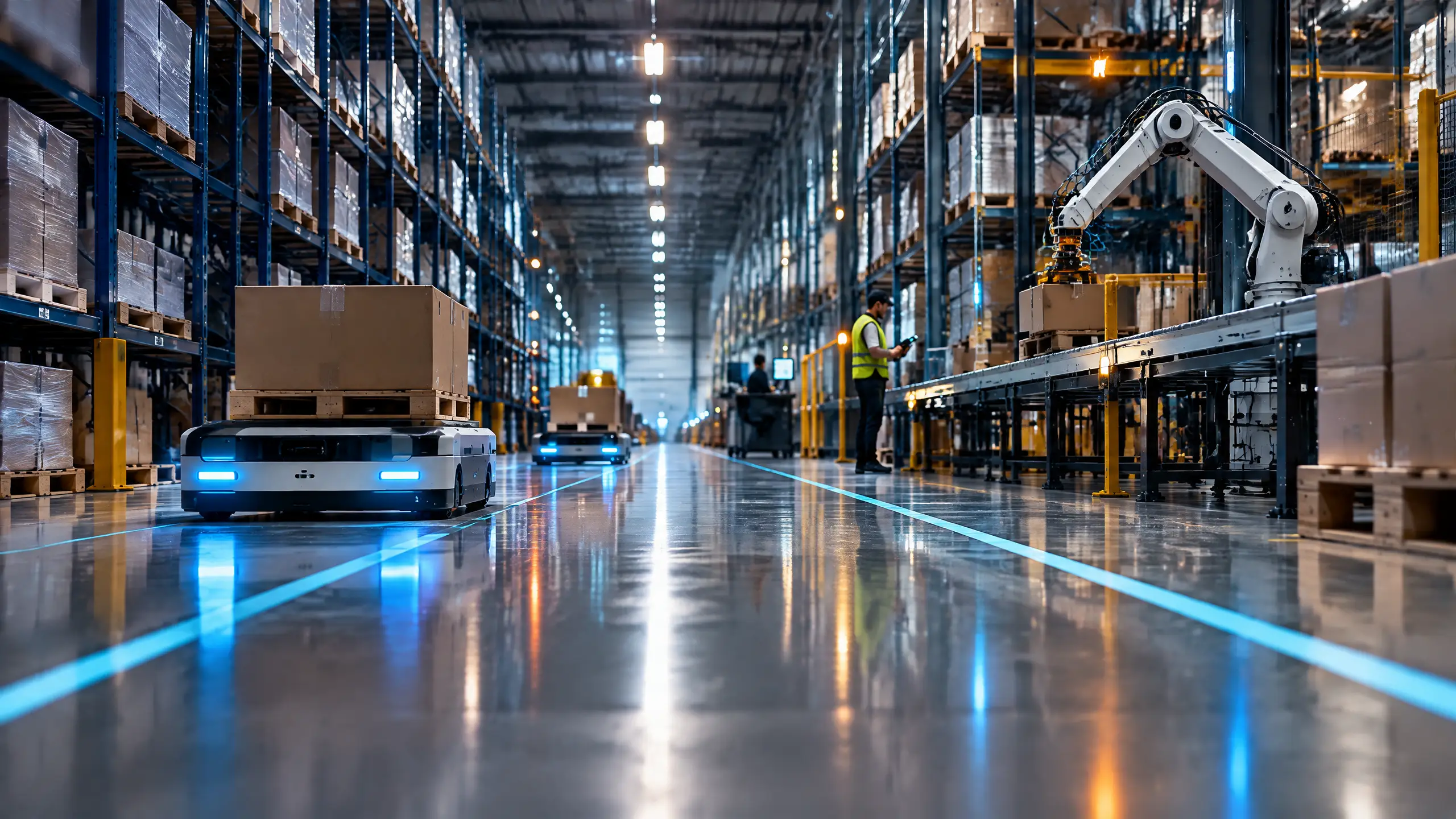
Warehouse Technology at a Turning Point: AI, Automation & the Modern WMS
Warehouse operations are entering a new phase.
Rising fulfilment volumes, labour constraints, tighter margins, and supply chain uncertainty are pushing organizations to rethink their warehouse technology strategy and achieve more with existing resources.
The challenge is no longer simply managing warehouse operations. It is building operations that can adapt, scale, and perform efficiently as conditions change.
Turning Warehouse Technology into Performance
Warehouse technology, warehouse automation, artificial intelligence (AI), and modern Warehouse Management Systems (WMS) are becoming essential to this transformation.
A modern WMS provides the foundation for inventory, labour, workflows, and fulfilment. Warehouse automation increases execution capacity, while AI converts operational data into faster, more informed decisions.
Connected, these capabilities create a single intelligent execution environment that improves visibility, responsiveness, and operational control.
From Automation to Intelligent Execution
The next generation of warehouse optimization is moving beyond isolated automation.
AI can identify operational patterns, exceptions, and potential bottlenecks. Automation can execute repetitive activities at scale, while WMS technology coordinates inventory movement, picking, replenishment, labour, and fulfilment.
When these capabilities work together, AI in warehousing can move operations from reactive management toward predictive and adaptive execution, improving productivity, resource utilization, response times, and supply chain resilience.
The goal is not simply to introduce more technology. It is to make every technology investment contribute to measurable warehouse performance.
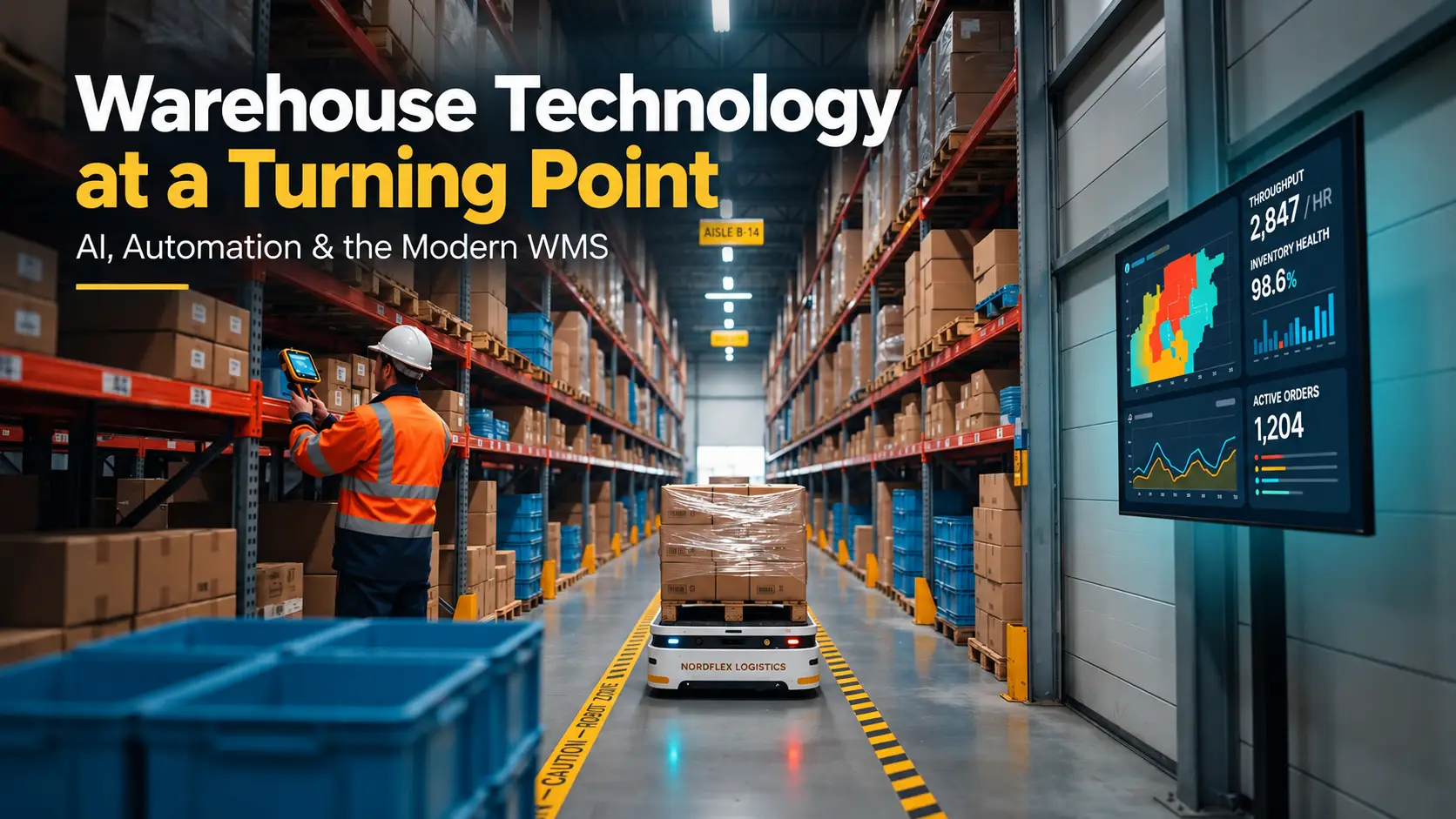
WMS Modernization for What Comes Next
WMS modernization should be approached as an operational transformation, not just a system replacement.
Organizations should evaluate AI readiness, automation integration, real-time visibility, interoperability, modular architecture, scalability, and continuous optimization when planning their warehouse technology roadmap.
A well-planned modernization strategy creates a stronger foundation for today’s requirements while keeping operations ready for emerging technologies and changing business demands.
The Bottom Line
Budget pressure is real. So is the cost of standing still.
AI, automation, and modern WMS deliver their greatest impact when they work together, not in isolation. The warehouse of tomorrow will not simply be automated.
It will be intelligent, connected, adaptive, and built for continuous improvement.
Looking to build a smarter, more scalable warehouse operation?
Contact us at marketing@tychons.com